|
Apr 18, 1897
|
Born in London, England
|
|
May 24, 1912
|
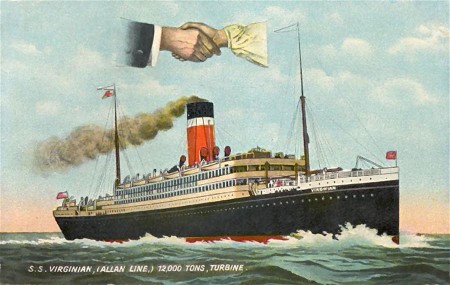
Embarked the SS Virginian in Liverpool as a
British Home Child
|
|
May 31, 1912
|
Disembarked in Quebec City, Quebec and proceeded
to Sherbrooke, Quebec
|
|
Sep 17, 1915
|
Attested into the 69th Battalion CEF
in Sherbrooke, Quebec
Ø Number 121100
Ø Next of kin given as Rev.
Rudolph, Kingston Road, London, England
Ø Previous occupation given as
Labourer
Ø Previous military experience
given as 54th Regiment
Ø Religion given as Church of
England
|
|
Jan 18, 1916
|
Sentenced to 3 days CB (Confined to Barracks) for
an unrecorded offence
|
|
Mar 9, 1916
|
Sentenced to 3 days Confined to Barracks for an
unrecorded offence
|
|
Apr 5, 1916
|
Sentenced to 5 days Confined to Barracks for an
unrecorded offence
|
|
Apr 17, 1916
|
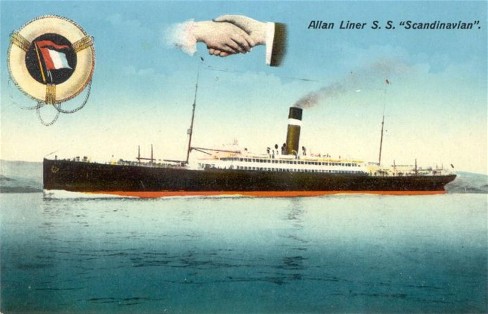
Embarked the SS Scandinavian in Saint John, New
Brunswick
|
|
Apr 27, 1916
|
Disembarked in Liverpool, England
|
|
Jun 2, 1916
|
Transferred to the CASC TD (Canadian Army Service
Corps Training Depot) in Otterpool
|
|
Jun 12, 1916
|
Admitted to the Moore Barracks Military Hospital
in Shorncliffe with a diagnosis that reads Mumps
|
|
Jun 30, 1916
|
Discharged to duty from hospital
|
|
Jul 18, 1916
|
Transferred to the No. 2 CASC in Bramshott
|
|
Dec 29, 1916
|
Admitted to the Connaught Hospital in Aldershot
with a diagnosis that reads VDS (Venereal Disease Syphilis)
|
|
Jan 10, 1917
|
Discharged to duty from hospital
|
|
Apr 5, 1917
|
Transferred to the CASC Shorncliffe
|
|
May 8, 1917
|
Transferred to the 7th Reserve
Battalion in Seaford
|
|
Jun 5, 1917
|
Attended the Military Hospital in Ravenscroft for
blood work and discharged the same day
|
|
Sep 12, 1917
|
Transferred to the 21st Battalion
|
|
Sep 13, 1917
|
Arrived at the No. 2 CIBD (Canadian Infantry Base
Depot) in Etaples, France and Taken On Strength of the 21st
Battalion
|
|
Sep 27, 1917
|
After leaving the base depot, he joined the CC
Rein C (Canadian Corps Reinforcement Camp) in Villers au Bois, France
|
|
Oct 18, 1917
|
After leaving the reinforcement camp, Private
Russell joined the 21st Battalion in Ourton, France
|
|
Nov 11, 1917
|
During fighting at Passchendaele, Belgium,
Private Russell received shrapnel wounds to his legs and buttocks and was
evacuated to the No. 9 CFA (Canadian Field Ambulance) for first aid before
being transported to the No. 17 CCS (Casualty Clearing Station)
|
|
Nov 12, 1917
|
Transferred via the No. 17 AT (Ambulance Train)
and admitted to the No. 8 Stationary Hospital in Wimereux, France
|
|
Nov 18, 1917
|
Surgery performed to remove shrapnel
|
|
Nov 23, 1917
|
Invalided to England aboard the Hospital Ship Jan
Breydel
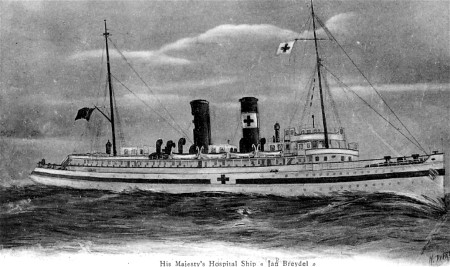
On arrival in England, he was admitted to the 2nd
Western General Hospital in Manchester
Transferred to the EORD (Eastern Ontario
Regimental Depot) for pay purposes while in hospital
|
|
Dec 10, 1917
|
Transferred to the Trafford Hall Red Cross
Hospital in Manchester
|
|
Feb 1, 1918
|
Transferred to the Military Convalescent Hospital
in Woodcote Park, Epsom
|
|
Feb 15, 1918
|
Attached to the 3rd CCD (Canadian
Command Depot) in Seaford for physical training and exercise
|
|
Apr 11, 1918
|
Discharged from hospital care and transferred to
the 6th Reserve Battalion Seaford
|
|
Nov 8, 1918
|
The 6th Reserve Battalion moved to
Witley
|
|
Dec 11, 1918
|
Attached to Kinmel Park, Rhyl pending return to
Canada
|
|
Jan 12, 1919
|
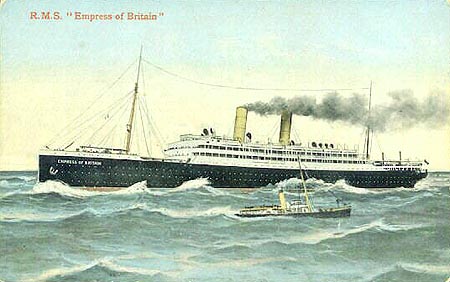
Embarked the SS Empress of Britain in Liverpool
|
|
Jan 22, 1919
|
Disembarked in Halifax, Nova Scotia and proceeded
to Montreal, Quebec where he was Taken On Strength of Military District No. 4
Casualty Company
|
|
Jan 23, 1919
|
Granted leave until February 8, 1919
|
|
Feb 13, 1919
|
Discharged from the CEF in Montreal, Quebec
Ø Rank on discharge Private
Ø Entitled to War Service Badge
Class “A”
Ø Proposed residence on
discharge c/o Bennette Post Office, Black Lake, Quebec
Following his discharge, the British War Medal
and Victory Medals were sent to him c/o Bennette Post Office, Black Lake,
Quebec. However, they were returned a
short time later, presumably as undeliverable
|
|